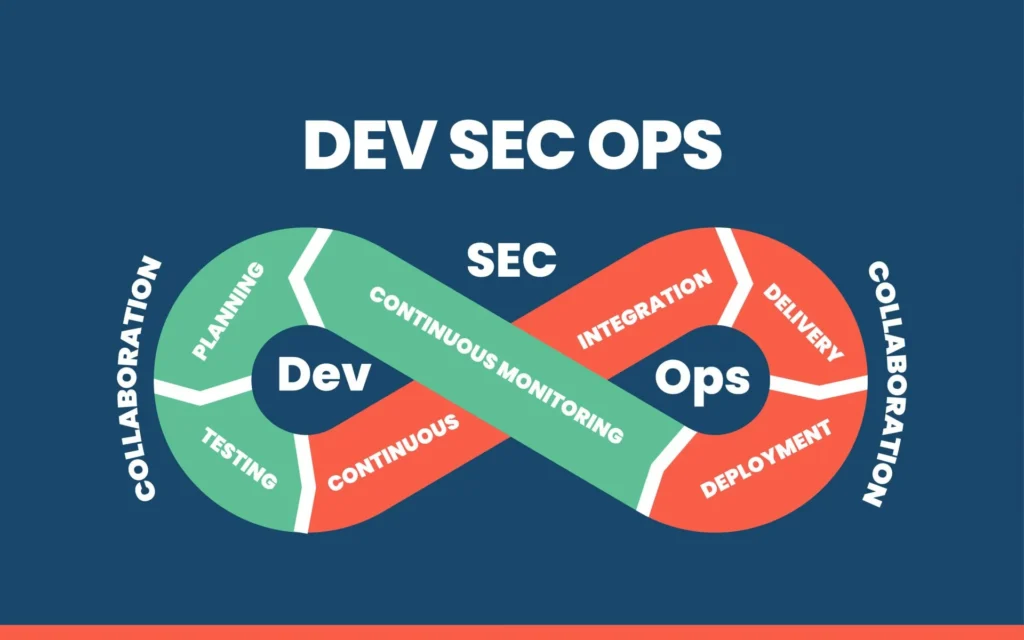

As software systems grow more complex and cyber threats become increasingly sophisticated, traditional approaches to application security are no longer sufficient. Organizations can no longer afford to treat security as an afterthought added at the end of development. This shift has led to the rise of DevSecOps, a practice that integrates security into every phase of the development lifecycle. At the center of this transformation are devsecops services, which help organizations build secure, resilient, and compliant software from the ground up.
By embedding security into development and operations, businesses can move faster without compromising safety. This article explores how DevSecOps strengthens security across the software development lifecycle and why it has become essential for modern software teams.
Understanding the DevSecOps Approach
DevSecOps is an extension of DevOps that emphasizes security as a shared responsibility. Instead of isolating security teams, it brings developers, operations, and security professionals together. This collaboration ensures that security considerations are addressed continuously rather than reactively.
Through devsecops services, organizations implement tools, processes, and cultural changes that embed security into workflows. This approach reduces vulnerabilities, improves compliance, and supports faster, safer software releases.
The Need for Security in Modern Software Development
Modern applications rely on cloud infrastructure, open-source components, and rapid release cycles. While these practices improve agility, they also expand the attack surface. Traditional security models struggle to keep pace with continuous integration and delivery pipelines.
Devsecops services address this challenge by aligning security with development speed. Automated security checks and real-time monitoring ensure that vulnerabilities are identified early, reducing the risk of breaches and costly fixes.
Integrating Security from the Planning Stage
Security should begin at the planning and design phase of the software development lifecycle. Threat modeling, risk assessment, and secure architecture design help teams anticipate potential vulnerabilities before writing code.
With devsecops services, security requirements are defined alongside functional requirements. This proactive approach ensures that applications are designed with security in mind, reducing structural weaknesses that could be exploited later.
Secure Coding Practices and Developer Enablement
Developers play a critical role in application security. Insecure coding practices are a common source of vulnerabilities, making developer education essential. DevSecOps promotes secure coding standards and continuous learning.
Through devsecops services, developers gain access to security tools, training, and feedback mechanisms. Automated code analysis identifies issues in real time, enabling developers to fix vulnerabilities as they write code rather than after deployment.
Automating Security Testing in CI/CD Pipelines
Continuous integration and continuous delivery pipelines are the backbone of modern development. Integrating security testing into these pipelines ensures that every code change is evaluated for risk.
Devsecops services automate security scans such as static application security testing, dynamic testing, and dependency analysis. Automation minimizes human error and ensures consistent security checks without slowing down development.
Managing Open-Source and Third-Party Risks
Open-source libraries accelerate development but also introduce potential security risks. Vulnerabilities in third-party components can compromise entire applications if left unchecked.
By leveraging devsecops services, organizations gain visibility into their software supply chain. Automated dependency scanning identifies known vulnerabilities, helping teams update or replace risky components before they reach production.
Infrastructure as Code and Secure Configuration
Modern infrastructure is often managed through code, enabling scalability and consistency. However, misconfigured infrastructure can expose systems to serious threats.
Devsecops services incorporate security checks into infrastructure as code workflows. This ensures that cloud environments, containers, and network configurations follow security best practices and compliance standards from the start.
Continuous Monitoring and Threat Detection
Security does not end after deployment. Applications must be continuously monitored to detect threats and anomalies in real time. Modern attacks often exploit runtime vulnerabilities that traditional testing may miss.
With devsecops services, organizations implement continuous monitoring and logging solutions. These tools provide visibility into application behavior, enabling rapid detection and response to security incidents.
Improving Incident Response and Recovery
When security incidents occur, speed and coordination are critical. DevSecOps strengthens incident response by integrating security alerts with operational workflows.
Through devsecops services, teams can automate incident response processes and reduce downtime. Clear communication and predefined playbooks ensure that security issues are addressed quickly and effectively.
Compliance and Regulatory Alignment
Many industries must comply with strict security and data protection regulations. Achieving compliance through manual processes can be time-consuming and error-prone.
Devsecops services help organizations embed compliance checks into development workflows. Automated audits, policy enforcement, and reporting simplify compliance while maintaining development agility.
Enhancing Collaboration Across Teams
Siloed teams often lead to miscommunication and delayed security fixes. DevSecOps fosters collaboration by aligning goals and responsibilities across development, security, and operations.
By adopting devsecops services, organizations create a culture where security is everyone’s responsibility. This shared ownership improves accountability and reduces friction between teams.
Reducing Costs Through Early Vulnerability Detection
Fixing vulnerabilities late in the development lifecycle is significantly more expensive than addressing them early. DevSecOps emphasizes early detection to reduce remediation costs.
Devsecops services identify issues during development, preventing costly rework and post-release patches. This proactive approach delivers long-term financial and operational benefits.
Supporting Scalability and Business Growth
As businesses grow, their applications and infrastructure must scale securely. DevSecOps provides a framework that supports growth without compromising security.
With devsecops services, organizations can scale development processes while maintaining consistent security standards. This scalability is essential for startups and enterprises alike.
Protecting Cloud-Native and Microservices Architectures
Cloud-native architectures and microservices introduce new security challenges due to their distributed nature. Traditional perimeter-based security models are insufficient.
Devsecops services address these challenges by implementing container security, service mesh protection, and identity-based access controls. This ensures that modern architectures remain secure and resilient.
Enhancing Customer Trust and Brand Reputation
Security breaches can damage customer trust and brand reputation. Proactive security practices demonstrate a commitment to protecting user data.
By adopting devsecops services, organizations strengthen their security posture and build confidence among customers and stakeholders. Trust becomes a competitive advantage in today’s digital marketplace.
Aligning Security with Agile Development
Agile development prioritizes speed and flexibility, which can conflict with traditional security practices. DevSecOps bridges this gap by aligning security with agile principles.
Through devsecops services, security becomes an enabler rather than a blocker. Automated tools and continuous feedback allow teams to innovate quickly while maintaining robust security controls.
Overcoming Common DevSecOps Challenges
Implementing DevSecOps requires cultural and technical changes. Resistance to change, lack of expertise, and tool integration challenges are common obstacles.
Devsecops services provide guidance, tooling, and best practices to overcome these challenges. With the right strategy, organizations can successfully transition to a DevSecOps model.
The Role of Automation and AI in DevSecOps
Automation and artificial intelligence are transforming application security. AI-driven tools can analyze vast amounts of data and identify threats faster than manual processes.
By integrating AI-powered devsecops services, organizations enhance threat detection, prioritize vulnerabilities, and improve decision-making across the development lifecycle.
Future Trends in DevSecOps
As cyber threats evolve, DevSecOps will continue to adapt. Emerging trends include zero-trust security models, advanced behavioral analytics, and deeper integration with cloud platforms.
The future of devsecops services lies in intelligent automation and predictive security. Organizations that embrace these trends will be better prepared to face evolving security challenges.
Conclusion
Security is no longer optional in modern software development. Integrating protection into every stage of the lifecycle is essential to building resilient, trustworthy applications. Devsecops services strengthen security by embedding it into planning, development, deployment, and operations, creating a unified and proactive approach.
By adopting DevSecOps, organizations reduce risks, improve compliance, and accelerate innovation without sacrificing safety. As software continues to power critical business functions, DevSecOps will remain a cornerstone of secure and successful digital transformation.