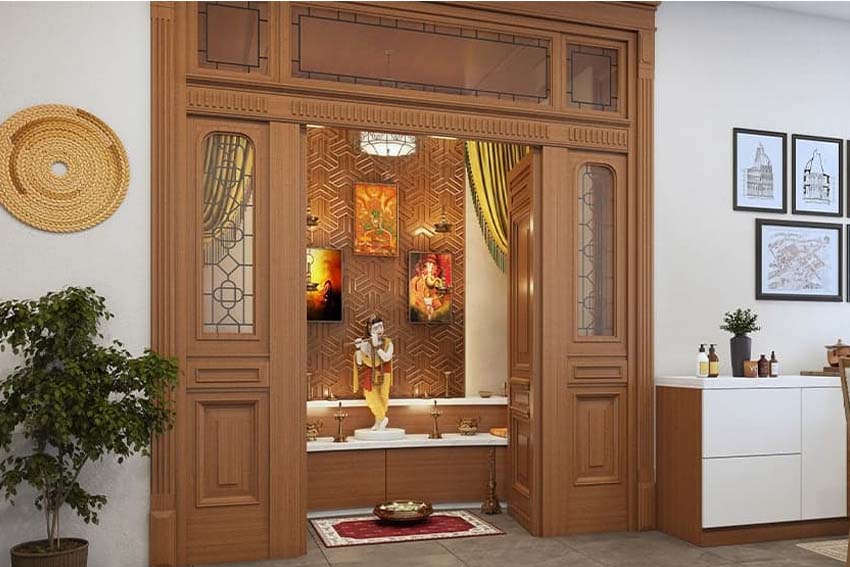

Pooja Room Designs play an important role in Indian homes, as they create a sacred corner dedicated to prayer, meditation, and inner peace. A well-designed pooja room is not just about aesthetics; it reflects devotion, positivity, and cultural values passed down through generations. Whether you live in a spacious house or a compact apartment, the right design can transform even a small area into a divine space.
In modern homes, pooja rooms have evolved beyond traditional layouts. Homeowners now look for designs that blend spirituality with contemporary interiors. From minimalist shelves to detailed temple-style structures, pooja room designs today focus on balance, functionality, and serenity.
Importance of a Well-Planned Pooja Room
A pooja room is considered the spiritual heart of the home. According to Vastu principles, it helps maintain positive energy and mental calmness. A thoughtfully planned pooja room encourages daily prayers, meditation, and moments of reflection. When the design is peaceful and clutter-free, it becomes easier to connect spiritually and maintain focus during rituals.
Good lighting, soothing colors, and proper placement of idols are essential elements. Soft warm lights or diyas create a calming ambiance, while natural light adds freshness to the space. Keeping the design simple yet meaningful ensures that the pooja room remains inviting and spiritually uplifting.
Popular Pooja Room Design Styles
Traditional pooja room designs often feature carved wooden mandirs, brass accessories, and intricate details inspired by temple architecture. These designs are timeless and deeply rooted in Indian culture. They work beautifully in independent houses or larger spaces where a dedicated room can be allocated for worship.
On the other hand, modern pooja room designs focus on clean lines, subtle colors, and compact structures. Wall-mounted units, floating shelves, and glass panels are commonly used in apartments where space is limited. These designs are elegant, easy to maintain, and seamlessly blend with modern interiors.
For homeowners seeking a premium look, 3d corian mandir designs have become a popular choice. Their smooth finish, durability, and seamless appearance make them suitable for both traditional and modern homes. The clean white look enhances the purity and calmness of the pooja space.
Choosing the Right Material
Material selection plays a crucial role in pooja room designs. Wood remains a classic option due to its warmth and traditional appeal. Marble is another popular choice, especially for those who prefer a temple-like feel at home. It is durable, easy to clean, and visually soothing.
Corian and other solid surface materials are now gaining popularity because of their flexibility in design and low maintenance. These materials allow intricate patterns, backlit panels, and customized layouts that elevate the overall look of the pooja room without making it feel heavy or crowded.
Color Palette and Lighting Ideas
Colors greatly influence the mood of a pooja room. White, cream, light yellow, and pastel shades are commonly used as they symbolize purity and peace. Gold accents can be added subtly to enhance the divine feel without overpowering the space.
Lighting should be soft and focused. LED strip lights behind panels, spotlights above idols, or warm backlighting can highlight the mandir beautifully. Natural light is also highly recommended, as it brings freshness and positive energy into the pooja room.
Small Pooja Room Design Tips
Not every home has space for a separate pooja room, but that should not limit devotion. A small corner in the living room, kitchen, or hallway can be converted into a serene prayer space. Wall-mounted mandirs, foldable units, or niche designs are ideal for compact homes.
Using smart storage solutions helps keep the space organized. Drawers or cabinets can store incense sticks, prayer books, and other essentials neatly. Even in a small area, thoughtful pooja room designs can create a powerful spiritual impact.
Blending Tradition with Modern Living
Modern homeowners often look for ways to maintain tradition while embracing contemporary design. This balance can be achieved by combining classic elements like bells and diyas with modern materials and minimal layouts. Decorative jaali panels, subtle engravings, and soft textures help maintain a spiritual feel without making the design look outdated.
A well-crafted 3d corian mandir fits perfectly into this concept, offering elegance, durability, and a modern finish while preserving the sacred essence of a traditional pooja space.
Final Thoughts
Pooja Room Designs are a reflection of faith, peace, and personal belief. Whether you prefer a traditional setup or a modern minimalist design, the key is to create a space that feels calm and spiritually fulfilling. With the right materials, colors, lighting, and layout, your pooja room can become a daily source of positivity and inner balance.
Investing time and thought into designing this sacred space ensures that it remains a place of comfort, devotion, and harmony for years to come.