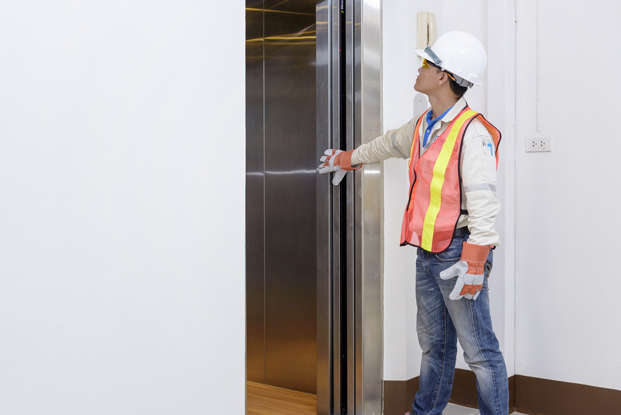

Multi-story houses have residential elevators that are becoming very common. However, these ought to be carefully handled in order to make them operate safely and reliably. Old equipment and frequent utilization of equipment are key reasons why timely checks are crucial to the safety of homeowners.
Homeowners ought to know the effects of residential elevator repair on life and the value of property, both in the short and long term. Being aware of warning signs will provide an opportunity to conduct a professional assessment in time, which will safeguard the residents and ensure adherence to local safety requirements. High-risk signs of malfunction, possible results of not using it, and the outcome of professional examination are discussed in this paper. Through this knowledge, the homeowners can be able to control risks and have elevators running fully.
Why Timely Residential Elevator Repair Matters
The main reason of swift repair is safety. Family members, elderly, or disabled persons are transported by elevators, and a failure can be very dangerous.
Failure to take care of maintenance in a timely fashion may decrease the value of property and minimize the life cycle of the system. The inspection requirements and elevator safety standards guarantee legal and insurance requirements are complied with. When house owners adhere to residential inspections of lifts, they do not experience unplanned malfunctions and avoid expensive repairs.
Key Warning Signs That Demand Immediate Attention
Residential elevator repair areas is to be planned in case of any critical warning. Minor issues can be avoided because they are recognized early enough before they turn into major hazards.
Strange or Loud Noises During Operation
Mechanical or electrical faults are likely to be signaled by grinding, screeching, or clanking noises. The mechanical issues can be in the form of worn rollers, cables, or suspension systems. Faulty motors or control circuits may become the cause of electrical problems.
Jerky or Uneven Movement Between Floors
The abrupt halts, pauses, or jerks indicate issues with movement control or balance. Ignorance of the uneven movement of the elevator may result in cable corrosion or motor overload.
Sudden Door Malfunctions
Doors with a malfunction in closing or opening completely can be symptoms of sensor misalignment or mechanical hindrance. The failures of doors endanger the safety of passengers, and they should be solved at once.
Error Codes or Control Panel Alerts
Digital screens can indicate error messages that indicate severe dysfunctions. These warnings should never be neglected by the homeowners. Timely professional examination averts additional harm.
The Consequences of Ignoring Warning Signs
Overlooking the problems of elevators puts an additional risk of failure and entrapment of the system. Maintenance costs are higher at the point when simple errors develop. Insurance complications and safety liabilities can also be experienced, particularly when accidents are involved.
What Homeowners Should Expect From Professional Evaluation
Certified technicians conduct thorough diagnostic inspections, documenting safety concerns. Clear reporting ensures homeowners understand required repairs.
Experts ensure that local and national codes on elevators are adhered to. They provide practical suggestions on the regular maintenance or the emergency troubleshooting of the way residential elevators should perform.
Residential Elevator Maintenance: Routine vs Emergency
Regular maintenance prolongs the life of the elevators and makes them safe. Regular checks prevent the problems until they need urgent correction.
Emergency interventions are done after warnings are disregarded. A maintenance plan that has well-established intervals of inspection should be followed by the homeowner.
Cost Considerations and Planning Ahead
The cost of repairs is dependent on the age of equipment, availability of parts, and their ease of access. Repairs that are done during emergencies are more expensive than planned maintenance.
Homeowners are supposed to make budgets in relation to the normal servicing and also the possible emergency repairs. Learning the factors of repair costs assists in evading unforeseen financial expenses.
Choosing the Right Residential Elevator Repair Partner
Choose suppliers who have been tested and are well certified. Test their reaction time to urgent service requests.
Contracts on service should encompass warranty, after-sales services, and routine maintenance. Selecting an experienced specialist will secure clients and extend the usage of lifts.
Conclusion
Residential lifts are convenient and accessible, yet they need careful supervision in order to work effectively. Being able to notice red flags such as strange sounds, shaky movement, doors not opening, error codes, etc., makes homeowners able to intervene before small troubles develop. Prompt residential elevator repair in the house not only protects the residents but also makes it meet the safety standard and avoid unnecessary expenses. Engaging qualified technicians in inspection.
FAQs
What is the frequency of inspection of a residential elevator?
The majority of residential elevators are supposed to be inspected by professionals at least once a year. Nevertheless, infrequent evaluations might be required when the systems are used frequently. Periodic checks outline wear, electrical, and alignment problems before they turn out to be a major safety hazard.
What are the most typical reasons for elevator failure in the home?
Worn cables, motor problems, sensor malalignments, and faults with the control panel are common. Old parts and inconsistent maintenance also add to additional risks of unplanned breakdowns.
Do homes with elevators have to comply with a certain code of safety?
Yes, residential lifts should be built in accordance with local and national standards of elevator safety. Periodic inspections are often mandated by authorities to ensure that things are operationally safe and structurally sound and that they have met electrical standards.
More costly than planned maintenance is emergency repair?
Urgent response requirements and possible replacement of parts make emergency service generally expensive. Early issue is made possible through scheduled maintenance.